
Scientific Department of Internal Medicine
The Scientific Department of Internal Medicine is headed by Doctor of Medical Sciences, Associate Professor Anatolii Mykolayovych Kravchenko, Honoured Doctor of Ukraine, a renowned cardiologist and healthcare organizer. He is the author of over 270 scientific works, including 4 monographs, and holds 7 patents for inventions and utility models.
The department employs 12 scientific staff, including 4 Doctors of Medical Sciences (D.Sc.) and 6 Candidates of Medical Sciences (Ph.D.).
- Chief Research Scientists – 3: D.Sc., Prof. O.Ye. Kovalenko, D.Sc., Prof. H.Z. Moroz, D.Sc., Prof. I.O. Trubka.;
- Leading Research Scientists – 1: Ph.D. O.V. Lytvyn;
- Senior Research Scientists – 3: Ph.D. K.O. Mikhaliev, Ph.D. O.M. Kostiukevych, Ph.D. N.M. Ovodiyuk;
- Research Scientists – 2: Ph.D. V.S. Pasko, Ph.D. in Biology L.K. Benkovska;
- Junior Research Scientists – 2: V.S. Matsyshyn, M.A. Trypilka.
In accordance with the Concept of Scientific and Innovative Activity for the period from 2025 to 2029, approved by the State Administration of Affairs, the Scientific Department of Internal Medicine is performing the research project: “Improving the Strategy of Personalized Treatment and Rehabilitation for Patients with Cardiovascular Diseases and Nervous System Disorders”, the subject of which was approved by the Order of the Head of the State Administration of Affairs.

Kravchenko Anatolii Mykolayovych
Head of the Scientific Department of Internal Medicine, D.Sc., Associate Professor, Cardiologist of the Highest Category, Honoured Doctor of Ukraine
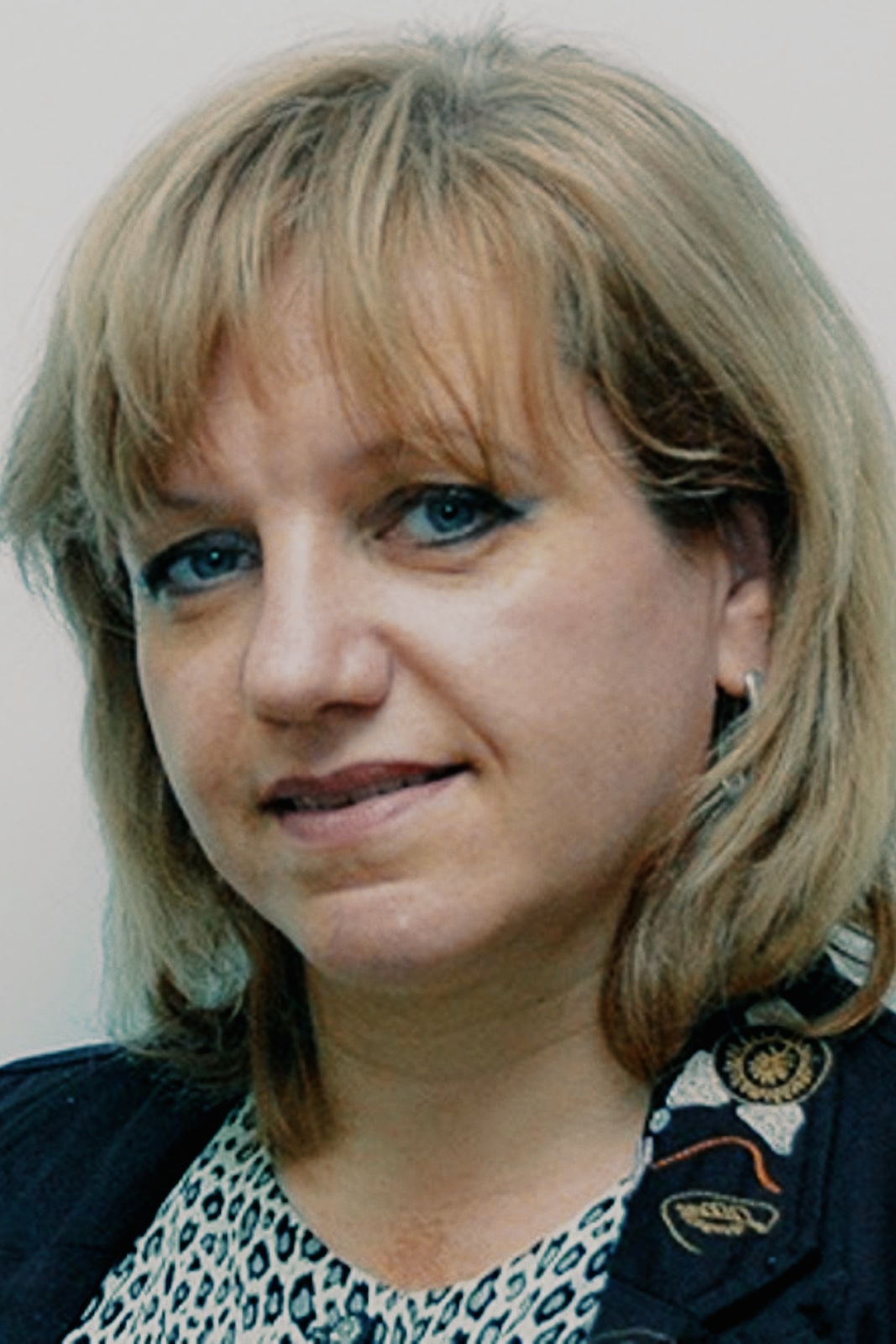
Kovalenko Ol'ha Yevheniyivna
Chief Research Scientist, D.Sc., Professor, Neurologist of the Highest Category
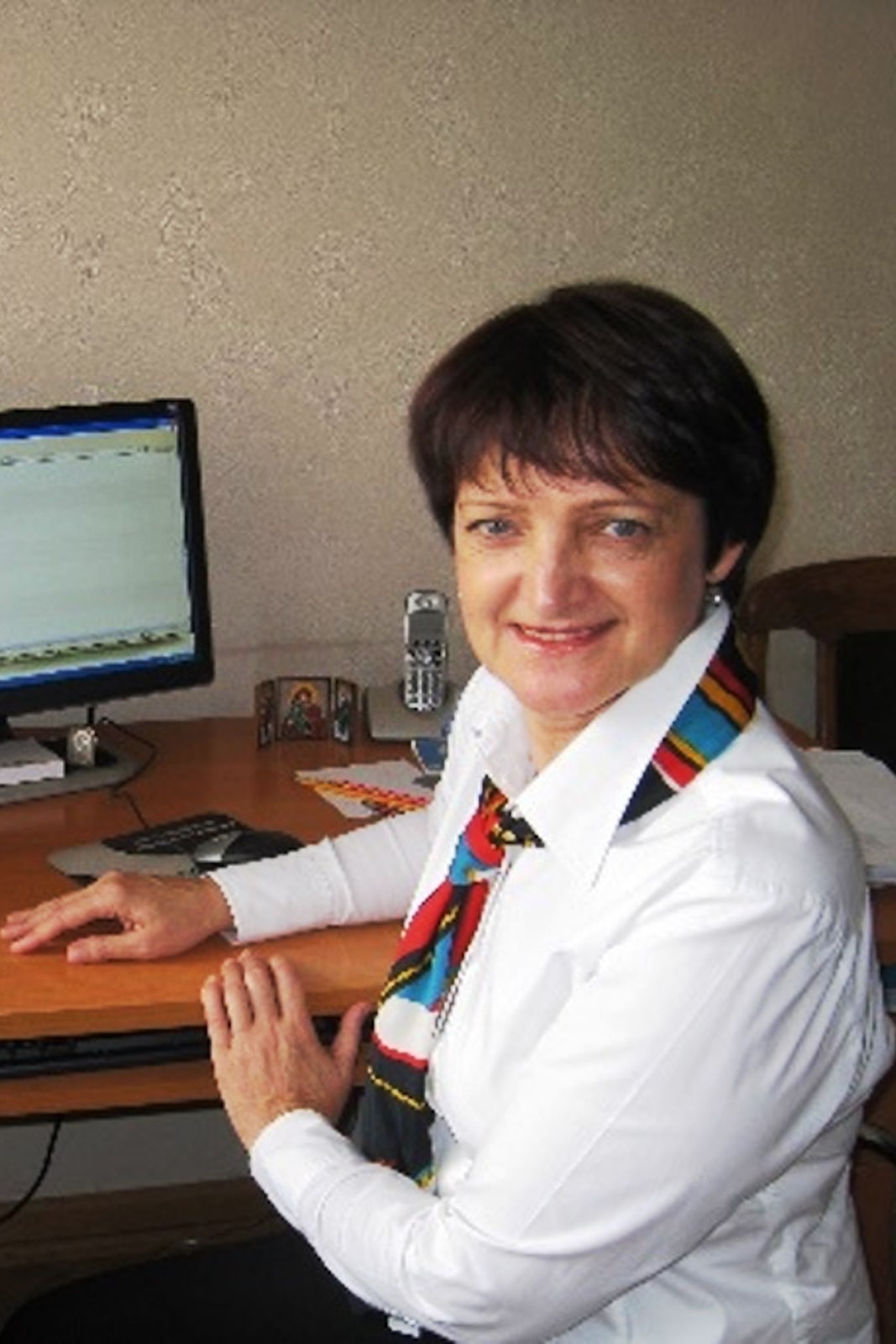
Moroz Halyna Zotiyivna
Chief Research Scientist, D.Sc., Professor, Internist of the Highest Category, Honoured Doctor of Ukraine

Trubka Iryna Oleksandrivna
Chief Research Scientist, D.Sc., Professor, Therapeutic Dentist of the Highest Category

Kostiukevych Oksana Mykhaylivna
Senior Research Scientist, Ph.D., Hematologist of the Highest Category, Honoured Doctor of Ukraine
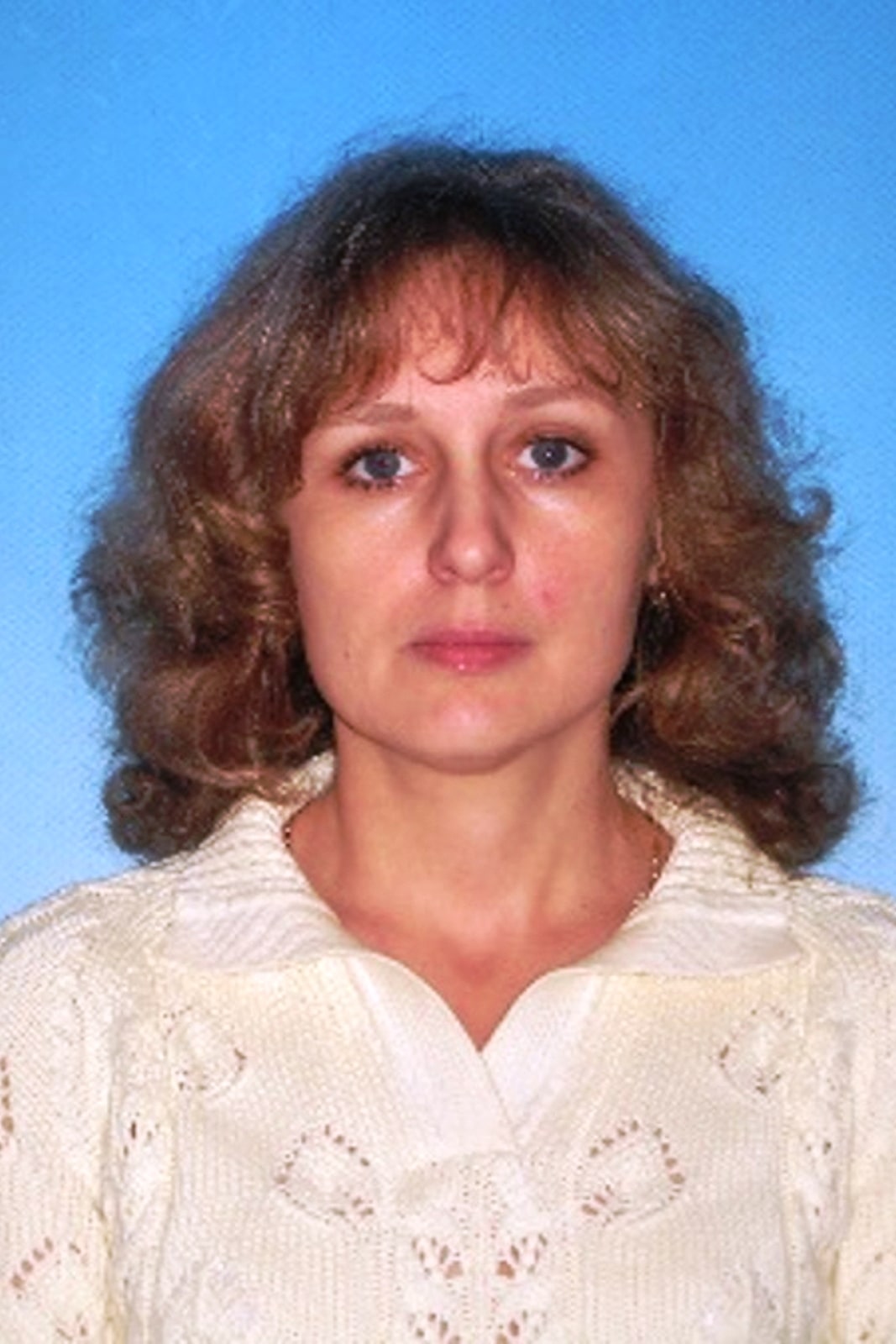
Lytvyn Olena Viktorivna
Leading Research Scientist, Ph.D., Senior Researcher, Neurologist of the Highest Category, Honoured Doctor of Ukraine

Mikhaliev Kyrylo Oleksiyovych
Senior Research Scientist, Ph.D., Internist of the Highest Category, Senior Researche

Pasko Viktoriya Serhiyivna
| Research Scientist, Ph.D., Cardiologist of the Highest Category

Benkovska Lesya Kostyantynivna
Research Scientist, Ph.D. in Biology

Ovodiyuk Nataliya Mykolayivna
Senior Research Scientist, Ph.D., Neurologist of the Highest Category

Trypilka Mariia Andriivna
Junior Research Scientist of the Scientific Department of Internal Medicine, Hematologist

Matsyshyn Viktor Serhiyovych
Junior Research Scientist, Neurologist of the Highest Category
The development of a personalized treatment strategy for patients is a priority area of modern medicine. According to the World Health Organization, the most common non-communicable diseases globally remain cardiovascular diseases (CVD), diabetes mellitus, and obesity. Alongside this, severe psychological trauma and negative emotions accompanying both military personnel and the civilian population during the war can cause not only an increase in the incidence of CVD and cerebrovascular diseases (CeVD) (acute and chronic forms) but also a significant increase in the risk of these conditions in young people, with severe clinical manifestations.
The implementation of this complex research project will contribute to the adoption of European standards for providing medical care to patients with cardiovascular and neurological diseases, as well as illnesses related to the impact of stress factors, through the application of personalized modern treatment and rehabilitation methods, which underscores the relevance of this scientific issue.
In cooperation between the Scientific Department of Internal Medicine and scientists from the V.M. Glushkov Institute of Cybernetics of the National Academy of Sciences (NAS) of Ukraine, work has begun on improving approaches to predicting the course of cardiovascular diseases based on machine learning. Plans include the development of models for diagnosis and prognosis of diseases and their complications, selection of personalized therapy, and development of personal medical technologies for real-time monitoring to assess patients’ conditions. The developed models and software will subsequently be disseminated to data stored by the National Health Service of Ukraine and other national or local departmental registers and databases for implementation into medical practice at the state level.
In 2024, a neurophysiological laboratory was opened in the department, equipped with state-of-the-art diagnostic technology of Ukrainian production, specifically telemedicine software and hardware systems.
The laboratory conducts studies on military personnel and civilians affected by the war: the Cardio-vegetative test (based on mathematical analysis of heart rate variability). This allows for the assessment of the general adaptive potential of neuro-humoral regulation, the involvement of different parts of the autonomic nervous system in regulation, the degree of nervous-emotional tension, the vegetative equivalent of stress, and emotional state, based on a 6-channel electrocardiogram. Also, using original domestic machine algorithms, analysis of subtle changes in the ECG is performed, which may indicate early pre-nosological changes in the myocardium.
The department has conducted work on screening the psycho-emotional health status of Ukrainian women veterans and family members of veterans under a cooperation program with the UN. The department’s scientists participate in international and national congresses, conventions, and conferences with the participation of European colleagues (Poland, Great Britain, Canada, etc.). The department is testing Ukrainian and foreign diagnostic telemedicine software and hardware systems created and manufactured with the participation of Ukrainian scientists from the V.M. Glushkov Institute of Cybernetics of the NAS of Ukraine, the O.O. Bogomolets Institute of Physiology of the NAS of Ukraine, Solvay CJSC (Kyiv, Ukraine), KhAI-Medica (Kharkiv, Ukraine), ISH TECH (Kyiv, Ukraine), Corsano (Netherlands, Switzerland), and CardioLyse (Finland, Ukraine).
For the first time, developed and implemented: an electronic database of individuals who underwent aortocoronary bypass grafting and coronary artery stenting. It was shown that in the group of patients with Coronary Heart Disease (CHD) who underwent percutaneous coronary intervention, the target blood pressure level was achieved by 69.2±7.4%. All of them were non-smokers, predominantly had a sufficient level of physical activity (66.7±7.5%), limited salt intake (66.7±7.5%), “mostly followed” recommendations for a healthy lifestyle (74.4±7.0%), and had a low prevalence of obesity (17.9±6.1%) — the difference is statistically significant compared to the control group ($p<0.05$) and the EUROASPIRE IV study data (target BP level was achieved by 38% of male patients in Ukraine and 35% in Europe, and 47% of women in Ukraine and 48% in Europe), which confirms the effectiveness of the measures implemented at the State Scientific Institution “SPC PM” of the State Administration of Affairs for the prevention and treatment of hypertension (AH) and CHD.
It was revealed that high inter-visit blood pressure variability (BPV) occurs in 51.25% of men living in rural areas and suffering from AH. Patients with AH and high inter-visit BPV were found to have a higher frequency of risk factors: hyperlipidemia, triglyceridemia, burdened family history, obesity, smoking, and alcohol consumption, compared to patients with low BP variability. A direct correlation ($r = 0.47$; $p \le 0.0001$) was observed between the percentage probability of cardiovascular death within the next 10 years according to the Heart Score and the variability index (SD for SBP).
Optimized: According to the local departmental registry of acute myocardial infarction, an increase in the frequency of percutaneous coronary interventions was observed during the period 2010-2019, both among patients in the general sample and for both types of interventions. This was accompanied by a decrease in the incidence and mortality rates from myocardial infarction among the attached contingent and is consistent with the general Ukrainian trend.
Improved: The algorithm for the combined therapy of perindopril/amlodipine $\pm$ indapamide in men with AH and high inter-visit BP variability, which contributed to achieving target levels of SBP/DBP in the absolute majority of cases (99.4%) and a significant reduction in inter-visit BP variability indices, reaching their conditional “threshold” levels in more than 90% of patients.
It was established that high inter-visit BP variability is one of the factors associated with an increased risk of non-valvular atrial fibrillation (AF). High inter-visit BPV (SD (SBP) $\ge 15$ mmHg and SD (DBP) $\ge 14$ mmHg), along with the RNP index (based on the integral assessment of renal filtration function and the degree of albuminuria) and the size of the LA (LA AP diameter), are the most significant factors associated with the development of AF in patients with AH.
Proposed: Elimination of cholinergic insufficiency by prescribing acetylcholinesterase inhibitors in combination with the use of choline precursors is a fundamental mechanism both in the correction of cognitive impairments in chronic cerebral ischemia and in the rehabilitation of patients with motor deficits who have suffered a stroke, in combination with the use of the “Trenar-01” biofeedback electrical stimulation apparatus, which is effective for reducing the degree of paresis of affected limbs and restoring voluntary movements.
In cooperation between the Scientific Department of Internal Medicine and scientists from the V.M. Glushkov Institute of Cybernetics of the NAS of Ukraine, work has begun on improving approaches to predicting specific cardiovascular diseases based on machine learning.
Plans include:
- Conducting a comprehensive assessment of the “Aesculap” SIS “CIHT” SAD information system to determine the possibility of using its data to create models and software for predicting morbidity and mortality from CVD.
- Creating individual patient risk profiles based on artificial intelligence (machine learning) by analyzing electronic records in the “Aesculap” information system.
- Developing individual patient examination and monitoring pathways based on the risk profile created using the machine learning method.
- Improving algorithms for CVD prognosis based on mathematical analysis of subtle ECG changes (analysis of HRV, analytical-time parameters, spectral measurement, microalternation indicators, etc.).
Based on the data obtained, the development of models for disease diagnosis and prognosis, selection of therapy, and development of personal medical technologies for real-time monitoring are planned for their subsequent implementation into medical practice at the state level.